
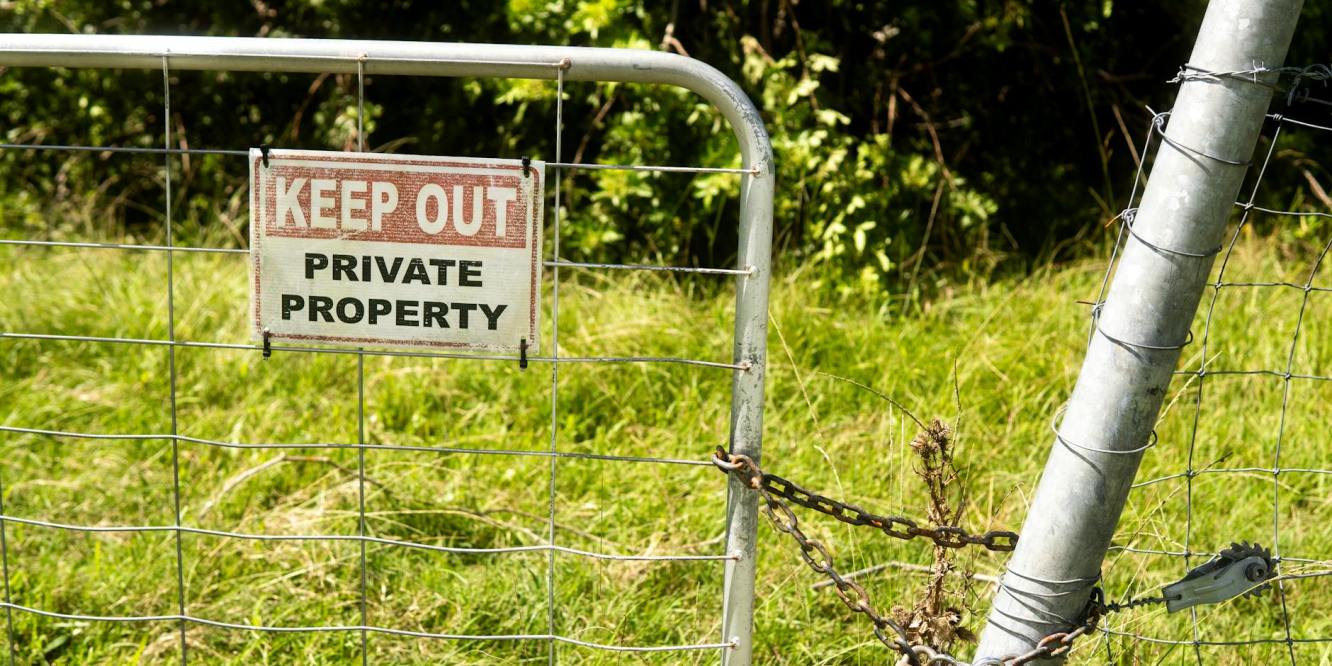
Rock climbing has always balanced discovery with preservation. Before apps, pins, and viral
crag photos, climbers relied on guidebooks, mentors, and local knowledge shared directly. Now,
information spreads quickly, and a familiar question keeps coming up in the climbing
community.
Should climbing locations be shared openly, or protected through gatekeeping?
I’ve gone back and forth on this topic more times than I can count.
On one hand, I’ve stood at crags that feel impossibly fragile with soft rock, thin trails, and silence
broken only by wind, and felt a knot in my stomach at the thought of them showing up on a
popular app overnight. On the other hand, I remember being new to climbing, not knowing
where to go or who to ask, and feeling like access to the outdoors depended on whether I knew
the “right” people.
That tension sits at the heart of the gatekeeping conversation.
When climbers talk about gatekeeping locations, it’s rarely about secrecy for its own sake. Most
of the time, it comes from care. But care, when handled poorly, can start to look a lot like
exclusion.
Why I Understand the Urge to Gatekeep
Some places simply can’t handle a lot of visitors and the pressure it puts on the area.
I’ve watched trails widen into scars. I’ve seen chalk turn dark stone white and holds break clean
off. I’ve heard of crags being shut down because a quiet understanding with a landowner
suddenly turned into a problem when dozens of new visitors showed up.
At times like that, keeping a place quiet feels like protecting it. It feels like taking care of it. It
feels like stewardship.
Safety is another reason. Not every area is easy or safe. Some places don’t have clear ways
down or obvious anchors. Some require experience and good judgment. Sharing a location
without enough information can feel careless, like giving someone a problem they aren’t ready
for or have the skills to handle.
And honestly, part of it is cultural. Climbing has always involved learning from others, being
shown how to move, how to behave, how to take care of a place. There’s something meaningful
about that. Something that doesn’t translate well to algorithms and popularity metrics.
I understand why people are careful about sharing, or even hesitate to share at all.
Where Gatekeeping Starts to Hurt
At the same time, I can’t ignore the other side because I’ve lived it too.
When information is guarded, access often comes down to who you know. If you’re new,
visiting, or don’t fit the image of a “typical” climber, it’s easy to feel shut out. What’s framed as
protection can start to feel like a closed door or barrier to scale.
And when information isn’t available, people don’t magically disappear; they just show up
without guidance. That’s when mistakes happen. Trespassing. Missed closures. Damaged
approaches. When people get hurt. Not because people don’t care, but because they don’t
know better.
There’s also a hard truth: keeping lesser-known areas secret doesn’t really reduce impact. It
usually just means more people crowd into the same popular spots, causing more damage
there.
And then there’s the hardest question of all: who gets to decide? Who gets to say what’s too
fragile to share, or who’s “ready” to know about a place? Even when the intentions are good,
those decisions can feel arbitrary from the outside.
What I Keep Coming Back To
I don’t think the answer is complete openness or total secrecy.
What I keep coming back to is how we share, not whether we do.
Sharing without teaching is risky. Gatekeeping without thinking it through can hurt people. The
best approach is somewhere in the middle, welcoming others, while making it clear they know
being there means taking care of the place, and that it’s a shared responsibility.
That could mean things like:
- Sharing general locations instead of exact pins
- Pairing beta with clear ethics and seasonal closures
- Being honest about why specific details aren’t public
- Welcoming curiosity instead of shutting it down & encouraging questions
Most climbers want to do the right thing. They just need the chance to learn what that is.
A Problem Worth Sitting With
I don’t know if this is a debate we’ll ever fully “solve.” Climbing is growing, information is moving
faster, and the places we love aren’t getting any more resilient.
But I do think it’s a problem worth sitting with without defensiveness, without purity tests, and
without pretending there’s a single right answer. It’s the start of a discussion.
If we care about these places and the people finding their way into climbing, now and into the
future, then the goal can’t be to keep people out. It has to be to bring people in with intention.
That’s harder than gatekeeping.
But it’s also more honest and, I think, closer to why many of us started climbing in the first place.


 thedihedral.com
A well-thought-out argument. Indeed, a tricky balance.
In Britain, many crags are on private property, so access has been negotiated over time with the owners. Often, a fragile agreement that relies on the climbers respecting the “rules” that apply, and should be made available through whatever medium to any prospective visitor. Too many crags have been banned due to bad behaviour.
So sometimes one wants to keep a small place secret as a go-to retreat. I don’t see anything wrong with that.
LikeLiked by 1 person
Thank you so much!!! Great perspective on the discussion!
LikeLiked by 1 person