
Author: Ariel-Britany Ward
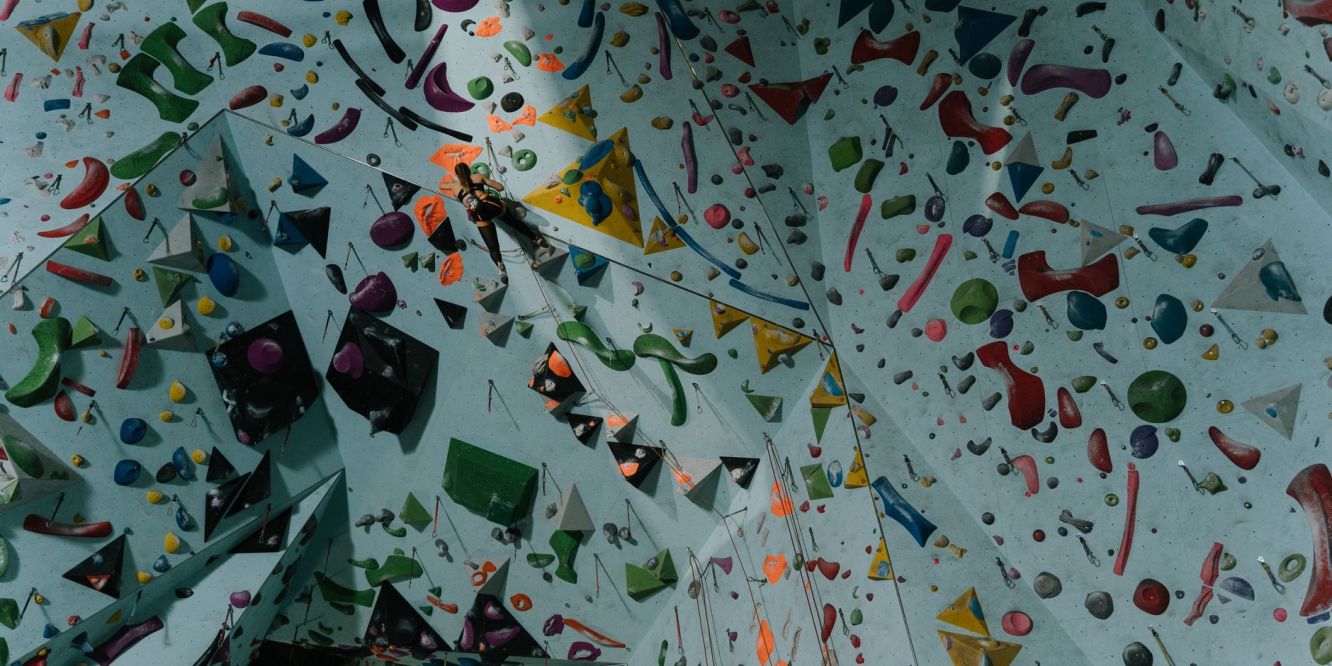
Climbing gyms and, more broadly, the climbing industry are changing climbing culture as we know it. That doesn’t mean every gym is the problem. There are still gyms, guides, and communities intentionally working to preserve the values that made climbing special. Unfortunately, those places seem to be becoming the exception rather than the rule.
Modern climbing evolved from mountaineering, exploration, scientific research, adventure, and a deep reverence for wild places. It was a sport built on curiosity more than competition. Success wasn’t measured by sponsorships or social media followers. It was measured by the experiences you had, the risks you managed, the relationships you built, and the respect you earned.
At its core, climbing valued nature and people over profit.
It was a culture rich with mentorship. If you didn’t know how to build an anchor, clean a route, place protection, or move efficiently on rock, someone showed you. Not because they were being paid. Not because it helped grow a personal brand. They taught you because someone had once done the same for them.
Knowledge was something you passed on, not something you monetized.
For nearly sixty years, climbing remained relatively niche. It slowly grew into what most people would recognize today throughout the ’80s, ’90s, and early 2000s. Growth happened organically, one climber introducing another.
Then everything changed.
Between COVID and climbing’s Olympic debut, the sport exploded into the mainstream. Millions of people discovered climbing almost overnight. Along with those new climbers came investors, corporations, influencers, content creators, venture capital, and businesses that recognized something climbers had largely ignored for decades…Climbing could be incredibly profitable.
Suddenly, there was money in gyms, apparel, coaching, online courses, YouTube channels, social media, nutrition, supplements, climbing trips, recovery products, training apps, and endless amounts of gear marketed as the missing piece between you and your next grade.
Growth itself isn’t the enemy.
Commercialization isn’t inherently bad either.
Climbing gyms have introduced millions of people to a sport they would never have experienced otherwise. Without climbing gyms, many of us, including myself, might never have found this sport. Better equipment has made climbing safer. Professional route setters, coaches, and athletes deserve to make a living doing what they love. None of those things are bad.
The problem begins when profit stops supporting climbing and starts shaping what climbing becomes.
The barrier to entry has always been high, but today it feels increasingly inaccessible for anyone without significant disposable income.
Shoes. Chalk. Harness. Rope. Quickdraws. Crash pads. Helmets. Guidebooks. Camping gear. Gas to get outside. Technical apparel.
It adds up quickly.
Indoor climbing has become no different.
When I first started climbing, my gym membership was around $50 a month. That included everything from yoga classes, climbing classes, fitness equipment, and access to a community that wanted to help you improve.
Today it’s common to see memberships starting around $85 just to enter the gym. Want access to fitness classes? More. Yoga? More. Specialized coaching? More. Add-ons continue stacking until a membership reaches $150–200 per month.
And honestly…
I understand why. Insurance is expensive. Commercial leases are expensive. Route setters deserve to be paid well. Employees deserve living wages. Walls need maintenance. Holds wear out. None of that is free.
Money isn’t what’s complicating the situation.
People are.
We have a choice in how we build this community.
Somewhere along the way, climbing slowly shifted from a culture centered around mentorship to one increasingly centered around transactions.
Lessons became products.
Training became subscriptions.
Advice became premium content.
Mentorship became coaching packages.
Community became something you paid monthly to access.
Even outdoor climbing has started to reflect this shift.
Secret crags become exclusive content.
First ascents become personal brands.
Every climbing session becomes something to film instead of something to experience.
Instead of asking, “Who can I help today?”
We increasingly ask, “What can I post today?”
Again, none of these things are inherently wrong. The issue is what happens when they become the norm.
When every interaction becomes an opportunity to monetize, people slowly stop seeing each other as partners in a shared community and start seeing each other as customers, competitors, or audiences.
That changes culture.
One of the things I love most about climbing is that grades have never been the greatest measure of who belongs.
Some of the strongest climbers I’ve ever met weren’t the people climbing the hardest.
They were the people lending crash pads to strangers.
The people staying after their own session to belay someone trying their first lead route.
The people quietly replacing worn anchor hardware.
The people picking up trash that wasn’t theirs.
The people spending an hour teaching someone to tie in instead of squeezing in one more burn on their project.
None of those things make good content.
None of those things generate revenue.
Yet those are the very things that built climbing culture.
The irony is that climbing has always marketed itself as being about community.
And yet, community cannot be purchased.
It can’t be built through branding alone.
It can’t be manufactured by adding a lounge area or hosting a social night once a month.
Community is built through generosity.
It’s built through mentorship.
It’s built when experienced climbers remember what it felt like to be beginners.
It’s built when someone shares beta without worrying who gets credit.
It’s built when knowledge is given freely because climbing has always been bigger than individual success.
Capitalism didn’t destroy climbing culture overnight.
It simply changed the incentives. It rewarded growth over stewardship. Consumption over conservation. Personal brands over quiet mentorship. Scale over relationships. And culture slowly followed.
The encouraging part is that culture has never belonged to companies.
It belongs to climbers.
Every time you invite someone into your session, lend gear, mentor a beginner, share knowledge without expecting something in return, support local climbing organizations, volunteer for trail days, or remind someone to Leave No Trace, you’re helping preserve the best parts of climbing.
Businesses will continue to grow. The sport will continue to evolve. Neither of those things are inherently bad.
But growth without culture is just another industry.
Climbing deserves to remain a community first and a business second.
Because what made climbing special was never the gyms, the brands, the competitions, or the money.
It was the people.
And that part is still ours to protect.

 thedihedral.com
When I visit an outdoor equipment store I am amazed at how much gear is “needed” to go camping or walk a trail. I climbed Angel’s Landing in Zion a couple of years ago and noticed so many hikers carrying and wearing the “right” brands. I spoke to many of them on that very crowded trail (it was limited to 800 per day on the summit), and learned that for many it was their first hike ever! Most were around 30 years old (I was 72). I hope it isn’t a one-time experience, that they keep hiking, get into backpacking, and so on. We need people hiking and backpacking to keep political support for trails. But what a difference from what I experiened, collecting gear as I could afford it, hiking, not just posing for pictures.
LikeLiked by 2 people
When I was still actively climbing and mountaineering, we bought gear (such as was available then) but what we did with it was not about business or brands, it was about us, as people. Our emphasis was on exploring the unknown, on sharing the good (and the bad) of an adventure, on deeply enjoying being outside, on occasionally having a transcendent moment, experiencing the infinite. I’d hate to think this personal stuff (culture?) is being lost to commercialization (capitalism?).
LikeLiked by 1 person
When I started hiking/backpacking in the 60’s a lot of our gear was surplus … even though I lived in Seattle and was an REI member. Wool pants were from surplus or second hand stores. Nowadays, Goodwill is full of synthetic gear that is better than we could buy … so, it’s not impossible to get outfilled without paying top dollar.
That gear isn’t likely to impress anyone at the fancy urban climbing gyms… but you can get on the trails with it.
LikeLiked by 1 person